From Grain Elevator to Riverfront Destination
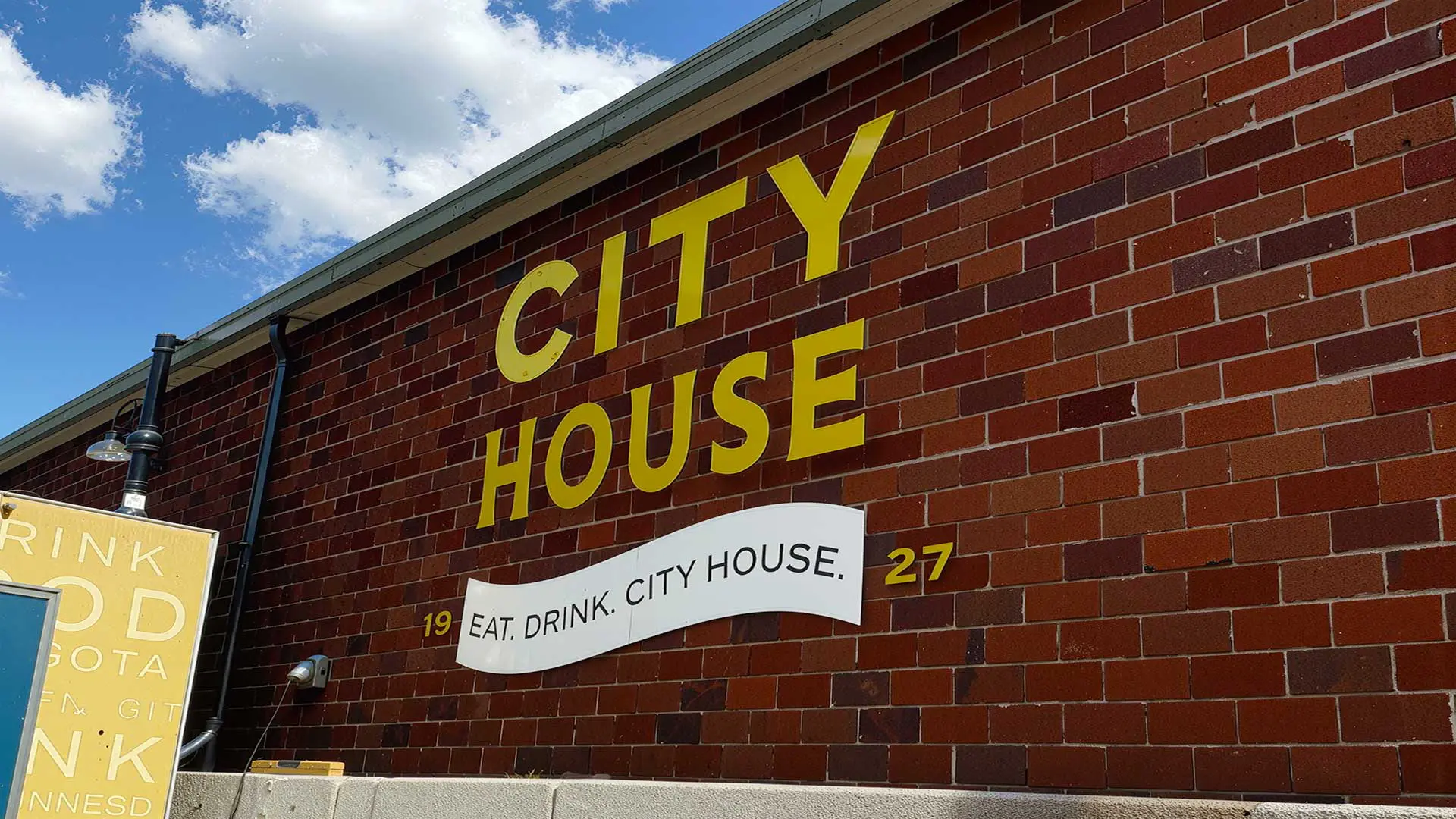
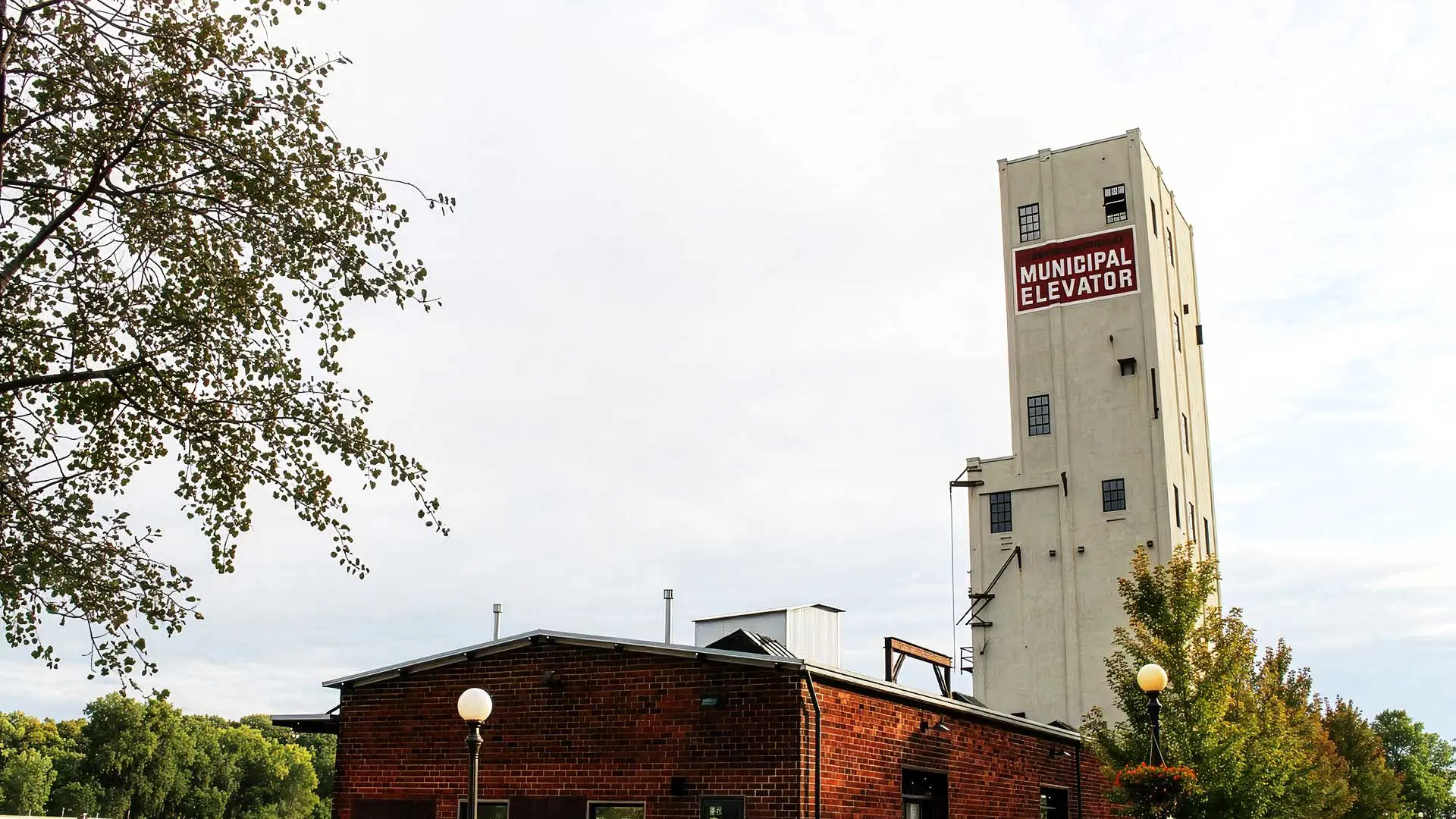
The City House history begins in 1927, when the building first opened as the Saint Paul Municipal Elevator and Sackhouse along the Mississippi River. Before becoming a riverfront restaurant, City House played a major role in Saint Paul’s grain industry and the city’s identity as a Mississippi River port. What now serves as a gathering place once moved grain throughout the Twin Cities and helped support the agricultural economy of the region.
When the facility eventually fell into disuse, its future was uncertain. Once slated for demolition, the building was later recognized for its historic value and added to the National Register of Historic Places. Today, City House stands as one of the most distinctive industrial landmarks on the Saint Paul riverfront, preserving an important part of the city’s past.
Over the decades, the building has remained a reminder of Saint Paul’s industrial roots and its connection to the Mississippi River. Its preservation ensured that the City House history would continue to be shared with future generations. Located along the Sam Morgan Regional Trail, the restored structure now serves as a meaningful stop for cyclists, walkers, and visitors exploring the riverfront.
The space has since been reimagined as a seasonal restaurant and open-air pavilion perched above the Mississippi. Guests come for food, drinks, music, and unmatched river views — but they also become part of the building’s ongoing story. City House is where Saint Paul’s industrial past and its vibrant present meet, shaped by the river just as it always has been. Learn more about the building’s historical significance through the National Park Service listing, or explore more of what City House offers through our Menus and Private Events pages.